

%203.png)



The Edward G. & Nancy S. Jordan Professor of Economics at the University of California, Berkeley. He is a Research Associate at the National Bureau of Economic Research (NBER) and Research Fellow at the Centre for Economic and Policy Research (CEPR), with a distinguished career investigating trade, economic development, global production, and industrial policy.
His research explores how globalization, trade openness, and multinational production shape economic growth, inequality, and welfare across countries. Rodríguez-Clare has held professorships at top institutions including the University of Chicago and Penn State and previously served as Chairman of the Council of Presidential Advisors in Costa Rica.

.webp)
Leverhulme International Professor of Economics at Royal Holloway, University of London, and John H. Biggs Distinguished Professor of Economics Emeritus at Washington University in St. Louis. With a Ph.D. in Economics from the Massachusetts Institute of Technology (MIT), his research spans general equilibrium theory, dynamic macroeconomics, game theory, social norms and institutions, and the economics of innovation and intellectual property.
Professor Levine is widely known for his influential work on learning in games and repeated games, as well as for critical contributions to the debate on intellectual property and endogenous growth.


Full Professor at the Faculty of Economics and Business of the University of Chile. He previously served on the faculty of Yale University and has also held major leadership roles in the profession, including as President of the Latin American and Caribbean Economic Association and as President of the Latin American chapter of the Econometric Society. He holds a Ph.D. in Statistics from Stanford University and a Ph.D. in Economics from MIT.
His research focuses on macroeconomics, public finance, econometrics, and infrastructure economics. He has published extensively in these areas and is especially known for his work on public-private partnerships and the economics of infrastructure regulation. He received the Frisch Medal of the Econometric Society, jointly with Ricardo Caballero, and is co-author of The Economics of Public-Private Partnerships: A Basic Guide.

The James B. Duke Distinguished Professor of Economics at Duke University. A leading scholar in development economics, health economics, and economic demography, she directs the Duke Development Economics Lab (DevLab@Duke) and is affiliated with J-PAL at MIT, NBER, BREAD, CEPR, IGC, and IZA. Her research explores the microeconomics of poverty, gender, and health in low- and middle-income countries, combining pioneering field experiments with policy-oriented empirical work.
Professor Field’s work has been published in top journals—including the Quarterly Journal of Economics, Journal of Political Economy, and AEJ—and spans topics such as financial inclusion and women’s empowerment in India, marriage markets in Bangladesh, micronutrient deficiencies in Tanzania, and land rights in Peru. She received her Ph.D. in Economics from Princeton University and previously served on the faculty at Harvard University. She is a Fellow of the Econometric Society and recipient of major honors including the Elaine Bennett Prize (AEA) and the Alfred P. Sloan Research Fellowship.

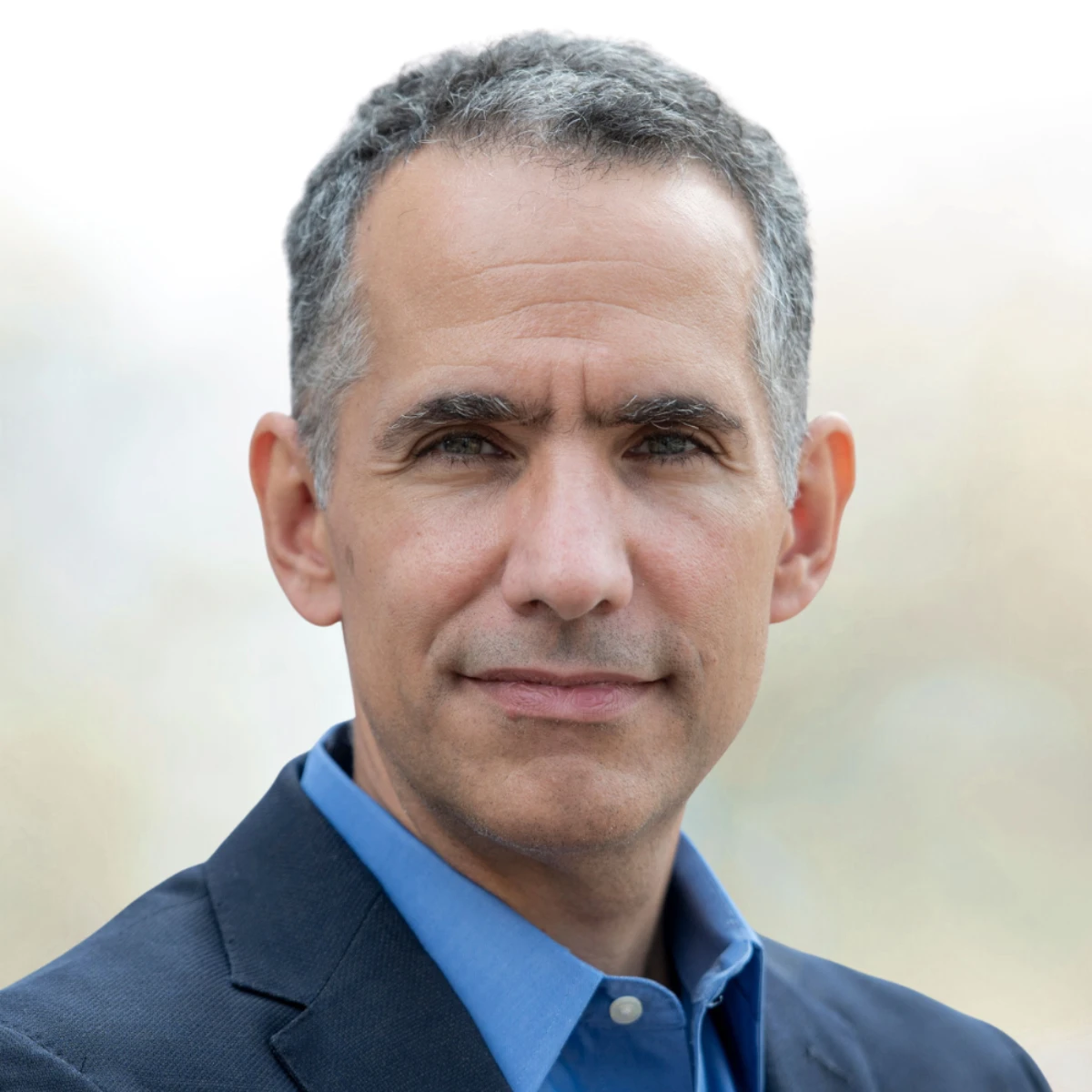
The Glen A. Lloyd Distinguished Service Professor in the Kenneth C. Griffin Department of Economics at the University of Chicago and Lead Editor of the Journal of Political Economy. He previously served on the faculty at Princeton University and Stanford University and earned his Ph.D. in Economics from the University of Chicago. He is also affiliated with the National Bureau of Economic Research (NBER) and the Centre for Economic Policy Research (CEPR).
Professor Rossi-Hansberg’s research focuses on international trade, urban and regional economics, and economic growth. His work studies the internal structure of cities, the organization of firms and offshoring, and the role of spatial frictions, agglomeration, and congestion in shaping migration and climate-related economic outcomes. He is a Fellow of the Econometric Society and a recipient of several distinctions, including the Alfred P. Sloan Research Fellowship and the Robert E. Lucas Jr. Prize.
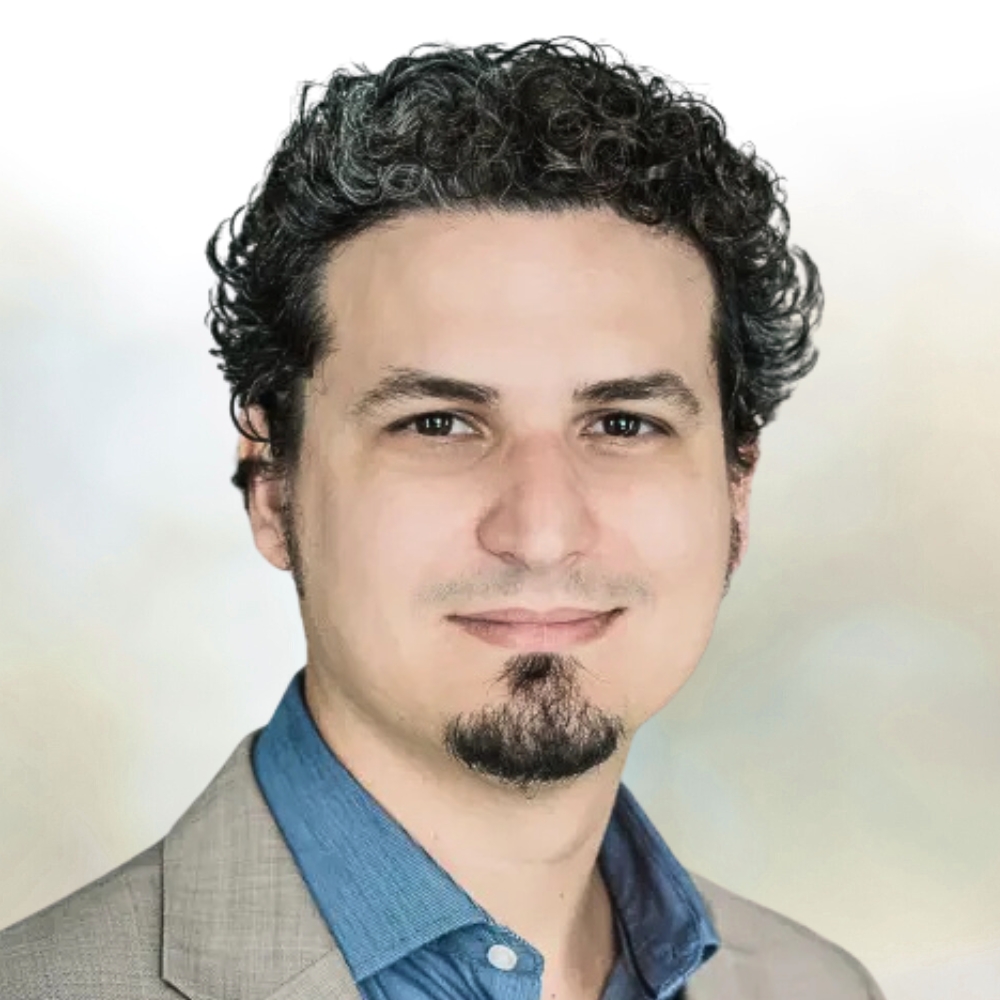
Associate Professor of Economics at Indiana University Bloomington and Director of the Political Economy Program at the Ostrom Workshop. He received his Ph.D. in Economics from Washington University in St. Louis and has received distinctions such as the 2016 Award of the National Academy of Sciences of Argentina and the 2018 Prize of the Ministry of Economics of Portugal.
His research focuses on political economy, economic development, and international economics, with particular emphasis on how institutions shape economic outcomes and how institutional change emerges. His work covers both theoretical and applied contributions on topics such as economic structure, public policy design, and the political economy of conflict. He has published in leading journals including the Journal of International Economics, Games and Economic Behavior, Journal of Economic Behavior & Organization, Economic Theory, and Public Choice, and his research has been featured in outlets such as The Wall Street Journal, The Washington Post, and Slate.


Professor of Economics at the Massachusetts Institute of Technology. His research focuses on macroeconomics and public finance, with particular emphasis on optimal fiscal and monetary policy, incomplete markets, and the design of social insurance. His work studies how policy should respond to aggregate fluctuations, inequality, and financial frictions, combining dynamic theory with quantitative methods. He is a Fellow of the Econometric Society and a member of the American Academy of Arts and Sciences, and his research has been published in leading journals such as the Quarterly Journal of Economics and the Journal of Political Economy.

Larry Samuelson is the A. Douglas Melamed Professor of Economics at Yale University. A leading figure in economic theory and game theory, his research focuses on the evolutionary foundations of economic behavior, repeated games, and models of non-Bayesian decision-making. He holds a B.A. and a Ph.D. in Economics from the University of Illinois.
Professor Samuelson has served as Co-Editor of Econometrica, the American Economic Review, and AER: Insights, and has held leadership roles in the Game Theory Society and the Econometric Society. He is a Fellow of the Econometric Society and of the American Academy of Arts and Sciences.


ChiefEconomist and Economic Counselor at the Inter-American Development Bank (IDB).She is on leave from Harvard Business School, where she is the Warren AlpertProfessor of Business Administration. She previously served as Minister ofNational Planning and Economic Policy of Costa Rica and has held leadershiproles in the profession, including as President of the Latin American andCaribbean Economic Association (LACEA). She is also Co-Editor of the Journalof International Economics and the World Bank Research Observer.
Herresearch focuses on international economics, capital flows, foreign directinvestment, sovereign debt, and trade. She has published extensively in theseareas and is affiliated with leading research institutions such as the NationalBureau of Economic Research (NBER) and the Centre for Economic Policy Research(CEPR). She holds a Ph.D. in Economics from the University of California, LosAngeles (UCLA).

.png)
Jeffrey Cheah Professor of South-East Asia Studies at the Harvard Kennedy School and Director of the International Development Area. She is also Scientific Co-Director of J-PAL South-East Asia in Indonesia and Co-Director of the Social Protection Initiative, a joint initiative of J-PAL and CID. She is affiliated with the National Bureau of Economic Research and BREAD, and previously served on the faculty of New York University.
Her research focuses on development economics and public policy, with particular emphasis on social protection, public service delivery, corruption, and the functioning of governments in low- and middle-income countries. Her work combines economic theory, field experiments, administrative data, and large-scale policy evaluation to study how states can better serve vulnerable populations. She has published in leading journals such as the American Economic Review, the Quarterly Journal of Economics, the Journal of Political Economy, and the Journal of Economic Literature.

Associate Professor of Economics at Southern Methodist University (Dallas, TX). She previously served as Senior Economic Policy Advisor in the Research Division of the Federal Reserve Bank of St. Louis and as an Assistant Professor at INSEAD, and earned her Ph.D. in Economics from New York University. She currently serves as Associate Editor of the European Economic Review.
Dr. Santacreu's research focuses on international trade, international macroeconomics, and economic growth. Her work examines global value chains, technology diffusion, trade policy, and the macroeconomic effects of globalization, with publications in leading journals including the Journal of Political Economy, Review of Economics and Statistics, American Economic Journal: Macroeconomics, and the Journal of International Economics.
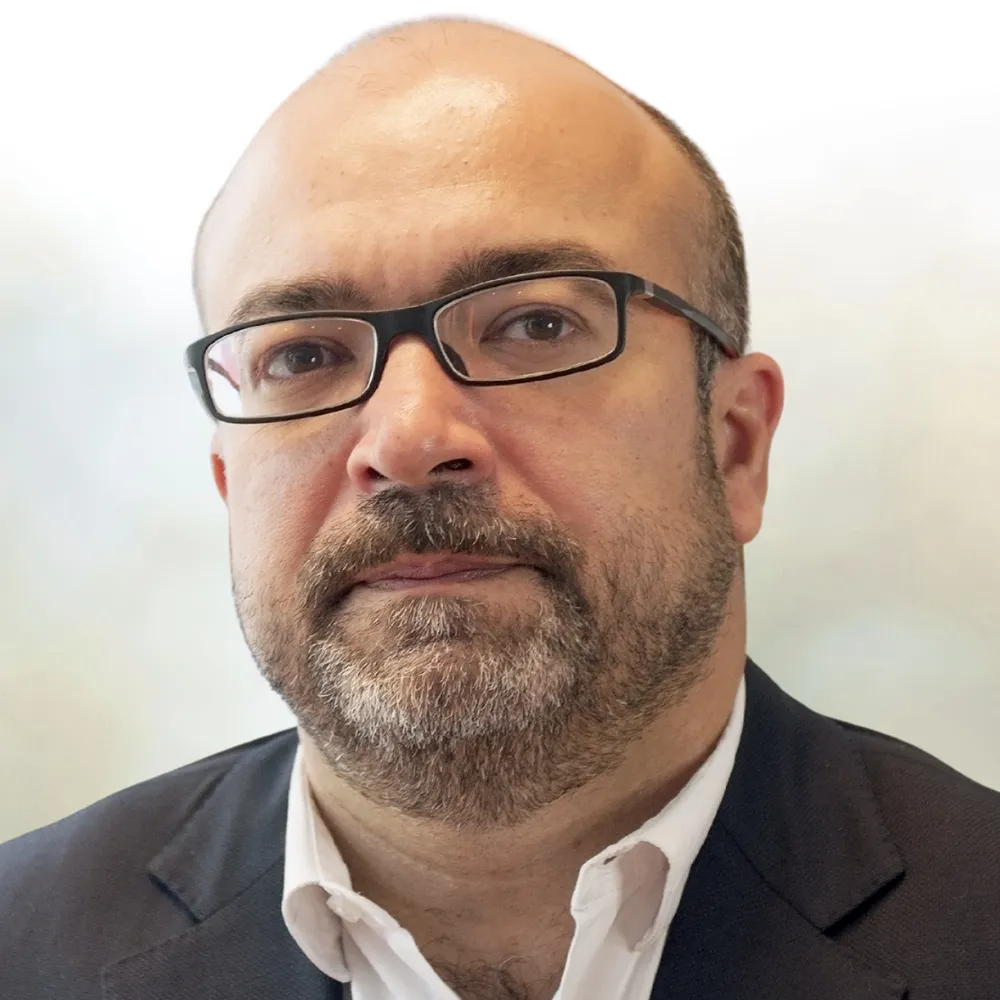
Professor of Economics at University College London and a Research Fellow at the Institute for Fiscal Studies and the Centre for Microdata Methods and Practice (CeMMAP). He is also affiliated with the Centre for Economic Policy Research (CEPR). His research lies at the intersection of applied economic theory, econometrics, and empirical microeconomics.
Professor de Paula’s work combines methodological contributions—particularly on identification and estimation in multi-agent and network models—with empirical applications on topics such as tax evasion and risky behaviour in developing countries. He is a Fellow of the Econometric Society and the International Association for Applied Econometrics, and currently serves as Co-Editor of Econometrica, having previously held editorial roles at the Review of Economic Studiesand the Journal of Econometrics.

Monetary Advisor at the Federal Reserve Bank of Minneapolis and Adjunct Associate Professor of Economics at the University of Minnesota. She earned her Ph.D. in Economics from Duke University and previously served as Assistant Professor at the University of Minnesota. She is Co-Editor of Journal of Political Economy: Macroeconomics and a member of the editorial board of the Journal of Economic Literature. She is also a Fellow of the Econometric Society.
Professor Arellano’s research focuses on international macroeconomics, sovereign debt, and financial crises in emerging economies. Her influential work examines sovereign default risk, debt crises, and financial frictions, with publications in leading journals such as the American Economic Review, Journal of Political Economy, and Review of Economic Studies.
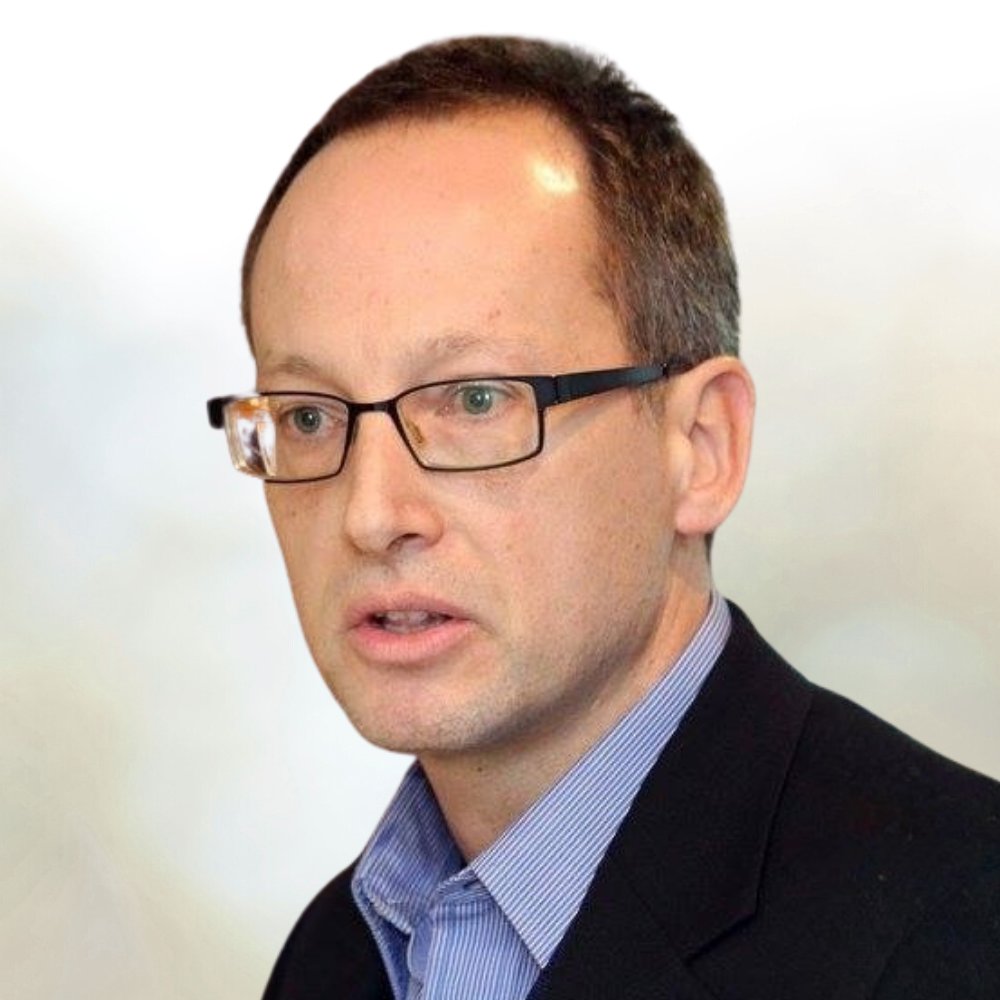
Professor of Economics and a Canada Research Chair in Macroeconomics and Productivity at the University of Toronto. He is an elected Fellow of the Econometric Society, a Research Associate at the National Bureau of Economic Research (NBER) in Cambridge MA (USA), and a Research Associate at Theoretical Research in Development Economics (ThReD). He received the Bank of Canada Fellowship Award in 2019 and again in 2024.Professor Restuccia's research lies at the intersection of macroeconomics, development, and labor economics, and focuses on understanding the great disparities in income across countries. His recent work examines the role of resource allocation of economic factors such as capital and labor across firms or sectors in accounting for macroeconomic outcomes. His work has appeared in leading economic journals such as the American Economic Review, the Quarterly Journal of Economics, Econometrica, and the Review of Economic Studies. Professor Restuccia received a Ph.D. in Economics from the University of Minnesota and an undergraduate degree from Universidad Católica Andrés Bello in Caracas (Venezuela). Professor Restuccia was born in Montevideo (Uruguay).
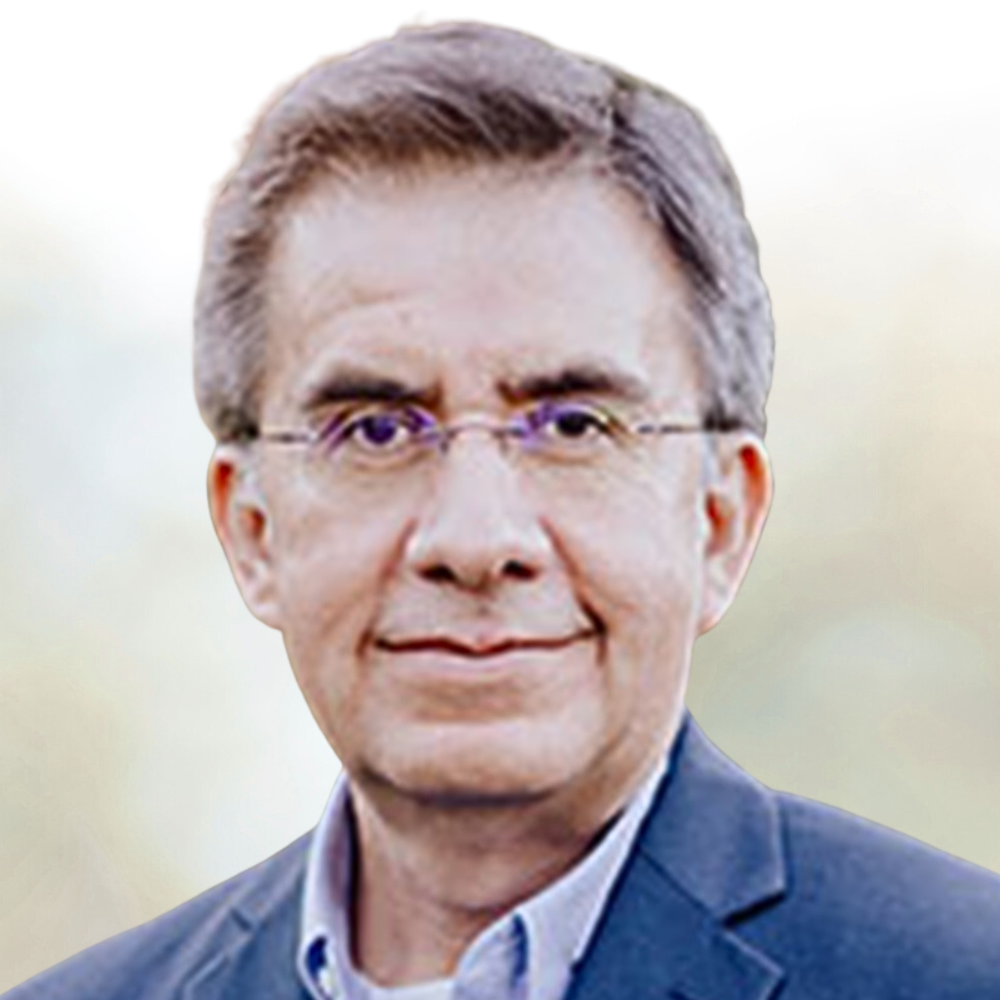
The William P. Carey Professor of Economics at the University of Pennsylvania, Research Associate at the National Bureau of Economic Research, and Fellow of the Econometric Society. He has also served in leading advisory and research roles at institutions including the Bank for International Settlements, the International Monetary Fund, and the Federal Reserve System.
Professor Mendoza’s research focuses on international macroeconomics, financial crises, sovereign debt, and macroprudential policy. His work studies the interaction between capital flows, financial frictions, debt sustainability, and policy design in emerging and advanced economies, with particular attention to sudden stops, balance sheet vulnerabilities, and global financial instability. He is widely recognized for his contributions to the quantitative analysis of financial crises and has published in leading journals such as the American Economic Review, the Quarterly Journal of Economics, and the Journal of Political Economy.

Professor of Economics at the University of Rochester, Research Associate at the National Bureau of Economic Research, Associate Editor of The Economic Journal, and Senior Associate Editor of Economics Letters. He previously held positions at Pennsylvania State University, Johns Hopkins SAIS, the Federal Reserve Board, and Princeton University.
Professor Parro’s research focuses on international trade and spatial economics, with particular emphasis on the welfare and distributional effects of trade and migration policies, the geography of economic activity, and labor market adjustment. His work combines quantitative trade models with questions on trade shocks, regional specialization, and policy design. He has published in leading journals such as Econometrica, the Journal of Political Economy, and the Review of Economic Studies.

Associate Professor at Universitat Pompeu Fabra, Affiliated Professor at the Barcelona School of Economics and IPEG, and a Research Fellow at CEPR, as well as a Research Affiliate at J-PAL and BREAD. He earned his Ph.D. from the University of California, Berkeley, and works at the intersection of development, organizational, and political economics. He also serves as Co-Editor of the World Bank Economic Review and Associate Editor of The Economic Journal.
Professor León-Ciliotta’s research combines rigorous empirical methods with policy-relevant questions on public services, political accountability, organizations, and development. His work has been published in leading journals including the Journal of Political Economy, American Economic Review: Insights, American Economic Journal: Economic Policy, Review of Economics and Statistics, and the Journal of Development Economics.

Professor of Economics at Fundação Getúlio Vargas (FGV/EPGE). He received his Ph.D. in Economics and M.A. in Statistics from the University of California, Berkeley. Prior to joining FGV, he held faculty positions at Harvard University and Columbia University. He is a Fellow of the Journal of Econometrics and the Association for Applied Econometrics, and a recipient of the Alfred P. Sloan Research Fellowship.
Professor Moreira’s research focuses on econometric theory, particularly inference with weak instruments, identification, and statistical methods for econometric models. His work has been published in leading journals including Econometrica, the American Economic Review, Journal of Econometrics, and The Annals of Statistics, and has made influential contributions to the econometric analysis of instrumental variables and high-dimensional data.
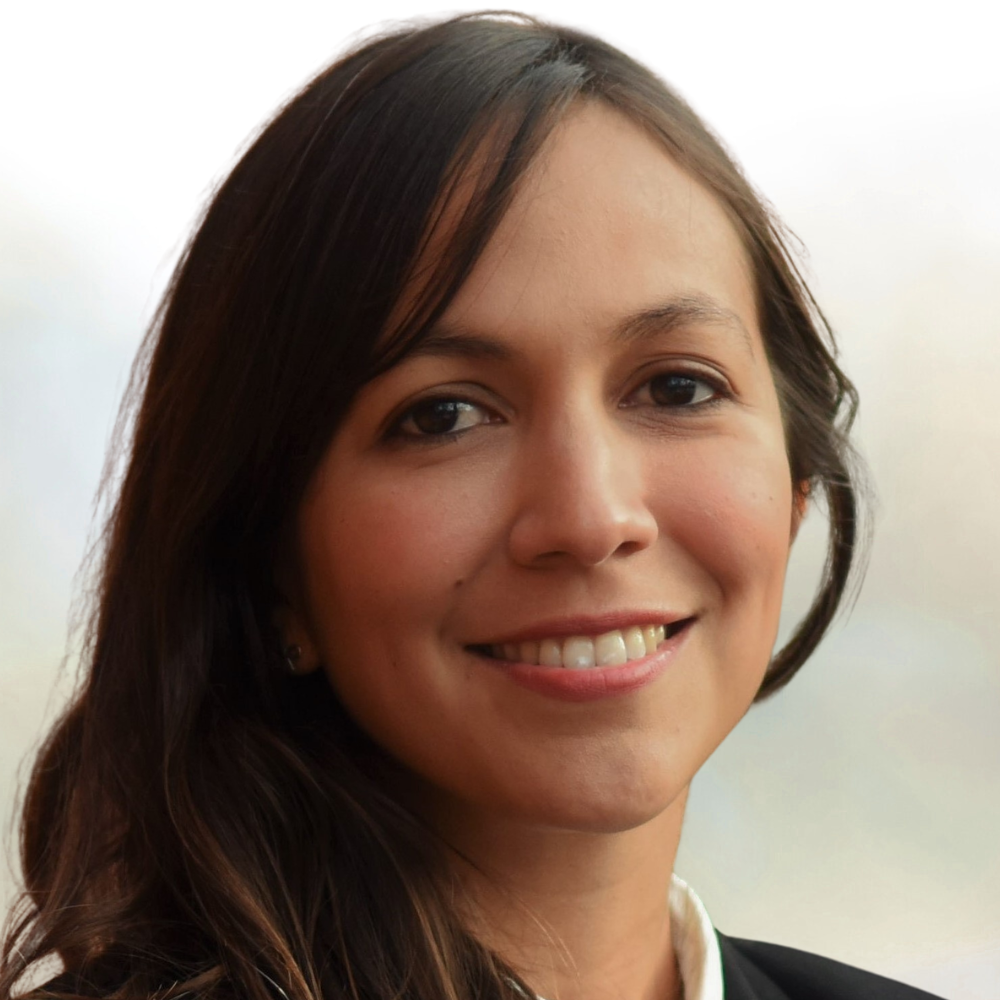
Associate Professor of Economics and Public Affairs at Princeton University. She is affiliated with several international research networks, including the National Bureau of Economic Research (NBER), CESifo, BREAD, the African School of Economics, and the International Crisis Group.
Professor Sviatschi’s research lies at the intersection of development economics, labor economics, and political economy. Her work examines how organized crime, drug trafficking, and migration shape human capital, state capacity, and economic development, with influential research on criminal organizations in Latin America. She also studies policies to reduce gender-based violence through institutional reforms and policing interventions, often using large administrative datasets and randomized evaluations.

Professor of Economics at the Universidad de San Andrés and Director of the Center for Human Development Studies in Argentina. He earned his Ph.D. in Economics from the University of Chicago and is a Fellow of the Econometric Society. His research focuses on political economy, institutional economics, poverty, and social policy.
Professor Tommasi has published extensively in leading journals, including the American Economic Review, American Political Science Review, American Journal of Political Science, and the Journal of Development Economics. A former President of the Latin American and Caribbean Economic Association (LACEA), he has also held visiting appointments at Harvard University, Yale University, and Columbia University, and has been recognized with distinctions such as a Guggenheim Fellowship and the Konex Award in the Humanities.

AssociateProfessor of Economics at ITAM and Co-Editor of the Journal of DevelopmentEconomics. He earned his Ph.D. in Economics from the University ofCalifornia, San Diego, and holds B.A. degrees in Economics (summa cum laude)and Mathematics (cum laude) from Universidad de los Andes in Colombia.
Hisresearch focuses on the bottlenecks that hinder effective public servicedelivery in developing countries, particularly in education, health, andenvironmental policy. His work combines large-scale field experiments withmethodological contributions to applied econometrics and statistics, and hasbeen published in leading journals such as the Quarterly Journal ofEconomics, American Economic Review, and Journal of DevelopmentEconomics.

Associate Professor of Economics at the University of Chile. He previously held positions at Universidad de Chile and FGV-EPGE (Brazilian School of Economics and Finance). He received his Ph.D. in Economics from the University of California, Berkeley, and is affiliated with several research centers, including the Market Imperfections and Public Policy Institute (MIPP) and the Nucleus on Immigration Consequences and Perceptions (MIGRA).
His research focuses on labor economics, political economy, and public economics, with particular emphasis on education, public sector performance, and the long-term effects of institutional and political shocks. He has published in leading journals such as the American Economic Review, American Economic Journal: Economic Policy, Journal of Public Economics, and Journal of the European Economic Association, and is especially known for his work on higher education, labor markets, and the legacy of authoritarian regimes.
.jpg)
ICREA Research Professor at Universitat Pompeu Fabra, Affiliated Professor at the Barcelona School of Economics, and Research Associate at CREI. She previously held a tenured position at CEMFI and was a Kenen Fellow at Princeton University. She earned her Ph.D. in Economics from Harvard University.
Her research focuses on international trade, economic development, structural transformation, and the economic effects of climate change. She is especially known for her work on agricultural productivity, technology adoption, and market integration in developing countries. Her research has been published in leading journals such as the American Economic Review and the Quarterly Journal of Economics, and has been supported by major grants including Starting and Consolidator Grants from the European Research Council.
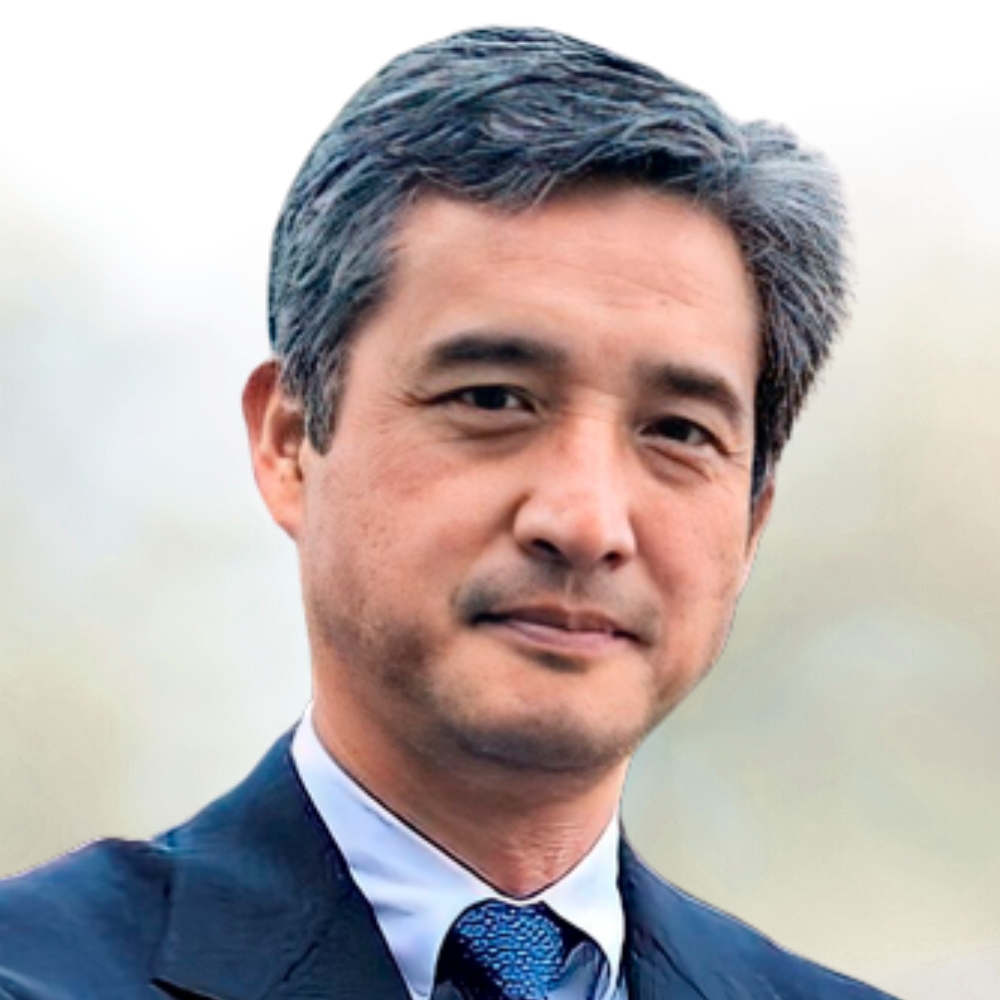
Roberto Chang is a Professor of Economics at Rutgers University and a Research Associate at the National Bureau of Economic Research (NBER). His work focuses on monetary economics, exchange rate policy, and financial crises, and he has published extensively on the macroeconomic dynamics of emerging markets. Before joining Rutgers, he was a Research Officer at the Federal Reserve Bank of Atlanta, an Assistant Professor at New York University, and a Visiting Professor at Princeton University.
Professor Chang has served on the editorial boards of the Journal of International Economics and the Journal of Development Economics and was a member of the Economics Panel of the National Science Foundation. A native of Peru, he holds a Ph.D. in Economics from the University of Pennsylvania.

The AnnL. and Lawrence B. Buttenwieser Professor of Economics at the University ofChicago. He previously held faculty positions at CEMFI and New York Universityand is a Fellow of the Econometric Society. He has also held several editorialroles, including Editor of Quantitative Economics and Managing Editor ofthe Review of Economic Studies.
Hisresearch focuses on econometrics, particularly panel data methods,heterogeneous agents, and the analysis of labor markets and inequality. He haspublished extensively in leading journals such as Econometrica, the Journalof Econometrics, and the Journal of Labor Economics, and isespecially known for his contributions to the analysis of unobservedheterogeneity and nonlinear panel data models.

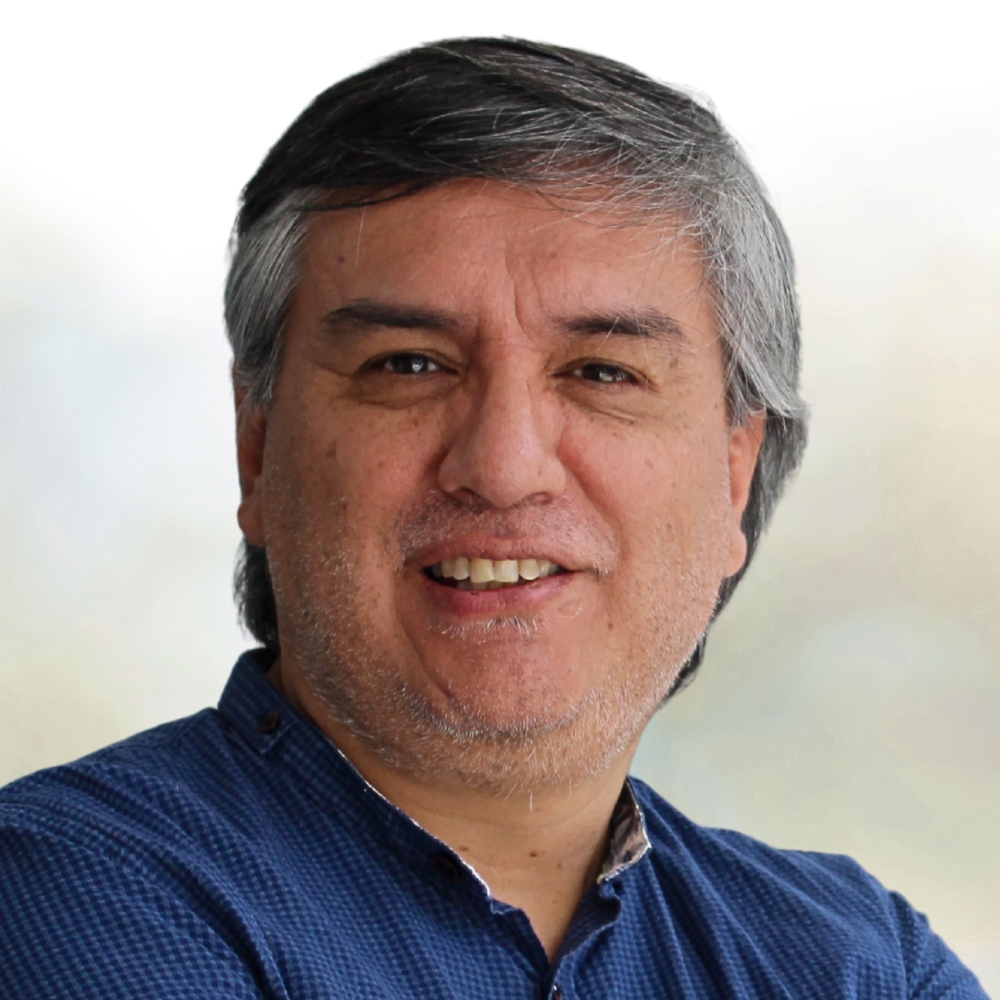
Full Professor of Economics at the Pontificia Universidad Católica del Perú, where he has also played a leading role in graduate training and academic research. He previously served as Senior Researcher at the Central Reserve Bank of Peru and as a member of Peru’s Fiscal Council. Before returning to Peru, he held faculty positions at the University of Ottawa. He received his Ph.D. in Economics from the University of Montreal.
His research focuses on econometrics, macroeconometrics, and applied time series analysis, with particular emphasis on structural change, monetary policy, fiscal policy, and financial econometrics. His work studies macroeconomic fluctuations, inflation, exchange rate dynamics, and financial market volatility, especially in the Peruvian and Latin American context. He has published in journals such as the Journal of Econometrics, The Econometrics Journal, Empirical Economics, and the Journal of Economic Studies.


Professor of Economics and Associate Dean, Research and Equity, Diversity, and Inclusion in the Faculty of Arts at McGill University. She is also a member of CIRANO and GRADE, and leads the Women’s Empowerment in Development Lab (WEDLab). She previously served as Director of McGill’s Institute for the Study of International Development.
Her research focuses on development economics, gender economics, labour economics, and health economics, with particular emphasis on social policy, women’s economic empowerment, and decision-making under uncertainty. Her work combines surveys, laboratory experiments, and randomized evaluations, drawing on field research in Peru, Paraguay, Kenya, and the Caribbean. Her research has appeared in journals such as World Development, Health Economics, Demography, and Economic Development and Cultural Change.

Associate Professor of Economics at the University of Michigan and Research Fellow at the National Bureau of Economic Research. He previously held visiting positions at Princeton University and the Federal Reserve Bank of Philadelphia. He received his Ph.D. in Economics from the University of Chicago.
His research focuses on international trade, labor markets, and economic geography. His work studies how trade, migration, and technological change shape the allocation of economic activity across regions and sectors, with particular emphasis on structural transformation and labor market dynamics. He has published in leading journals such as the Journal of Political Economy, the American Economic Journal: Applied Economics, and the Journal of Labor Economics.

Senior Economist and Research Advisor at the Federal Reserve Bank of Richmond and a Research Fellow at the CEPR. She previously served on the faculty at Stony Brook University and held research positions at the Federal Reserve Bank of Philadelphia. She earned her Ph.D. in Economics from the University of Rochester.
Her research focuses on macroeconomics, political economy, and international finance. Her work studies the interaction between political polarization, fiscal policy, sovereign debt, and financial markets, with particular attention to how political frictions shape macroeconomic instability and investment decisions. She is especially known for developing the Partisan Conflict Index, a widely followed measure of political disagreement in the United States. Her research has appeared in leading journals such as the American Economic Review, the Review of Economic Studies, the Journal of Monetary Economics, and the International Economic Review.
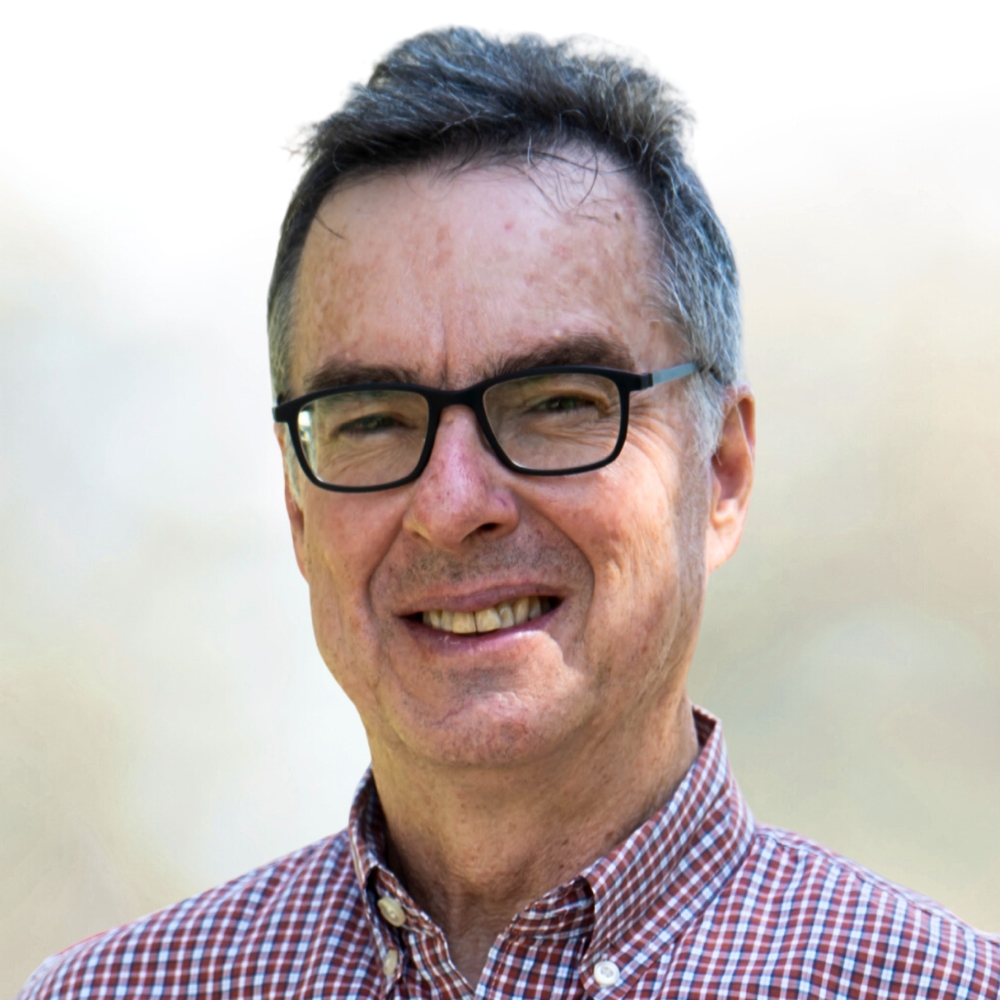
Professor of Economics at George Mason University and a member of the Interdisciplinary Center for Economic Science and the Center for Study of Public Choice. He is also a Fellow of the Econometric Society and serves as Associate Editor of the European Economic Review and Advisory Editor of Games and Economic Behavior. He previously held academic positions at ITAM, the University of Rochester, and Universidad Carlos III de Madrid.
His research focuses on economic theory, game theory, political economy, and public economics, with an emphasis on collective decision-making, electoral accountability, and the role of information in economic and political environments. His work combines theoretical and experimental approaches to study voting behavior, media, and institutional design, and has been published in leading journals such as the American Economic Journal: Microeconomics, the Review of Economic Studies, and the Economic Journal.
Sponsorship Committee -
Professor
Sponsorship Committee -
Professor
Sponsorship Committee -
Professor
Sponsorship Committee -
Professor
Administrative Support
Administrative Support
Academic Program Support
Administrative Support
Communications Support
Communications Support
Graphic Designer
Event Logistics Support
Event Logistics Support
Building on previous mentoring initiatives over the past two years, the Econometric Society Standing Committee on Professional Development is piloting a mentorship initiative for junior scholars attending the LAMES meeting, particularly postdocs and assistant professors. Senior scholars volunteering as mentors will be available to advise mentees on preparation for presentations. Some mentors will also be attending the conference, and will be available to assist mentees with networking opportunities.
Junior scholars who have a PhD, obtained not more than eight years ago, or expect to receive one this year, and whose paper are accepted to LAMES, are eligible and and may be assigned a senior scholar as a mentor, subject to the availability of volunteer mentors.
Senior scholars interested in being assigned a junior scholar as a mentee can indicate their interest during the paper submission process.

The LACEA Mentoring Workshop provides PhD candidates from Latin American universities with the opportunity to present their research and receive feedback from senior scholars in their field. Selected participants submit a working paper or extended abstract and present it in small-group sessions where experienced researchers provide comments on the paper and advice on publication strategies. The program aims to strengthen early-career research by promoting rigorous academic discussion and mentorship. Travel expenses, accommodation during the workshop and the LACEA-LAMES conference, and the conference registration fee are covered by the organization.
Open submissions: April 13, 2026
Close submissions: May 31, 2026
Please submit your applications to:
lacealames2026@pucp.edu.pe

The RIDGE Summer School (SS) will be organised at the Pontificia Universidad Católica del Perú (PUCP) within the LACEA-LAMES Annual Meeting. Since 2014, it has been held at least twice a year and offers graduate students the opportunity to engage with frontier research in economics, with priority given to Latin American and Caribbean students. The programme features lectures by leading scholars, providing exposure to current research, and contributing to the development of academic networks. Interested students should apply via the RIDGE website (https://ridge.org.uy/). Candidates are selected based on academic performance and relevant experience.
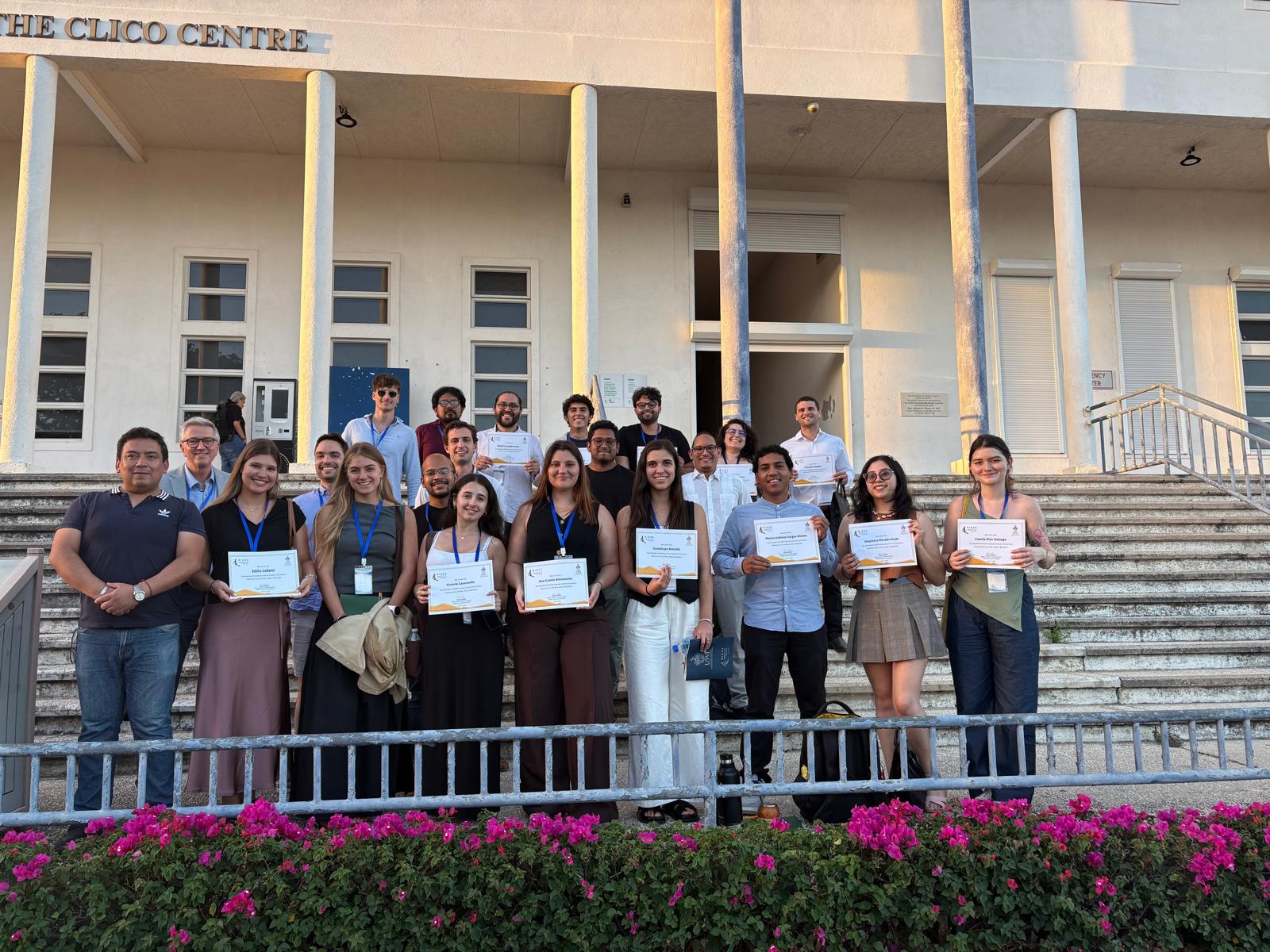
WELAC (Women in Economics in Latin America and the Caribbean) is a standing committee of LACEA that supports the careers of women economists and monitors the status of women in the profession, with the goal of advancing gender equity in economics across Latin America and the Caribbean.
WELAC has organized an annual mentoring session at the LACEA-LAMES Meeting since 2018. The session brings together mentors and mentees to discuss key aspects of academic careers, including publishing, grant writing, teaching, tenure and promotion, work-life balance, and where economic research is heading. Over time, the format has alternated between small-group interactions among mentors and mentees and high-level expert panels, featuring forward-looking reflections on emerging research agendas (2025) and discussions on publication strategies and funding opportunities (2024). Further details about this year’s WELAC mentoring session will be announced in due course.
These sessions provide a valuable opportunity for economists in the region to connect, exchange experiences, and receive guidance from senior scholars, while strengthening career trajectories and building a supportive academic community in Latin America.
For more information, visit the website: https://welac-lacea.com/

.jpg)





.png)












.png)


.jpg)


.png)